
Call us now :08045476271
 Send Inquiry
 Send Inquiry
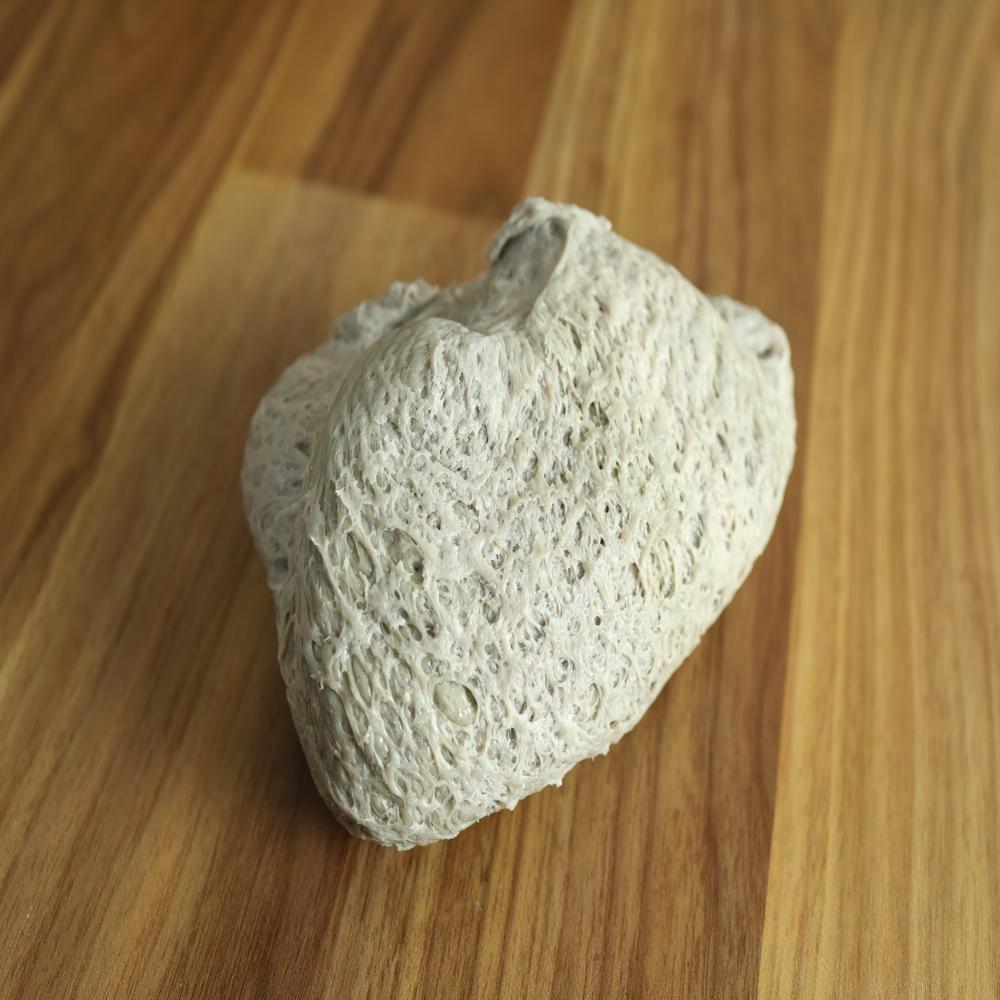
Plastic Lumps
Price 51.0 INR/ Kilograms
MOQ : 500 Kilograms
Plastic Lumps Specification
- Packaging Type
- 30 KG - PP BAG
- Usage & Applications
- Make Good Finish Products
- Material
- Recycled Plastic
- Type
- PP
- Color
- White
Plastic Lumps Trade Information
- Minimum Order Quantity
- 500 Kilograms
- FOB Port
- Mundra
- Payment Terms
- Cash Against Delivery (CAD), Cash on Delivery (COD), Cash Advance (CA), Cash in Advance (CID), Cheque
- Supply Ability
- 1000 Kilograms Per Day
- Delivery Time
- 2 Days
- Sample Available
- No
- Sample Policy
- Free samples are available
- Packaging Details
- 30 KG - PP BAG
- Main Export Market(s)
- Asia, Africa
- Main Domestic Market
- All India
About Plastic Lumps
Plastic lumps are irregularly shaped masses or aggregates of plastic material, often formed during manufacturing processes, recycling, or as a result of thermal degradation. They make of plastics such as polyethylene (PE), polypropylene (PP), polystyrene (PS), or polyethylene terephthalate (PET), depending on their source.In industrial settings, plastic lumps are often byproducts or scrap from production lines. Instead of being discarded, they can be collected, shredded, and reprocessed into new plastic products. This makes them a potentially valuable resource in the circular economy, reducing waste and the demand for virgin plastic materials.
In recycling industries, plastic lumps are also used as feedstock after being ground into flakes or pellets. Their quality, consistency, and cleanliness determine their suitability for reuse. Proper handling and reintegration of these materials can support more sustainable and eco-friendly manufacturing practices.
Tell us about your requirement

Price:
Quantity
Select Unit
- 50
- 100
- 200
- 250
- 500
- 1000+
Additional detail
Mobile number
Email

More Products in Plastic Lumps Category
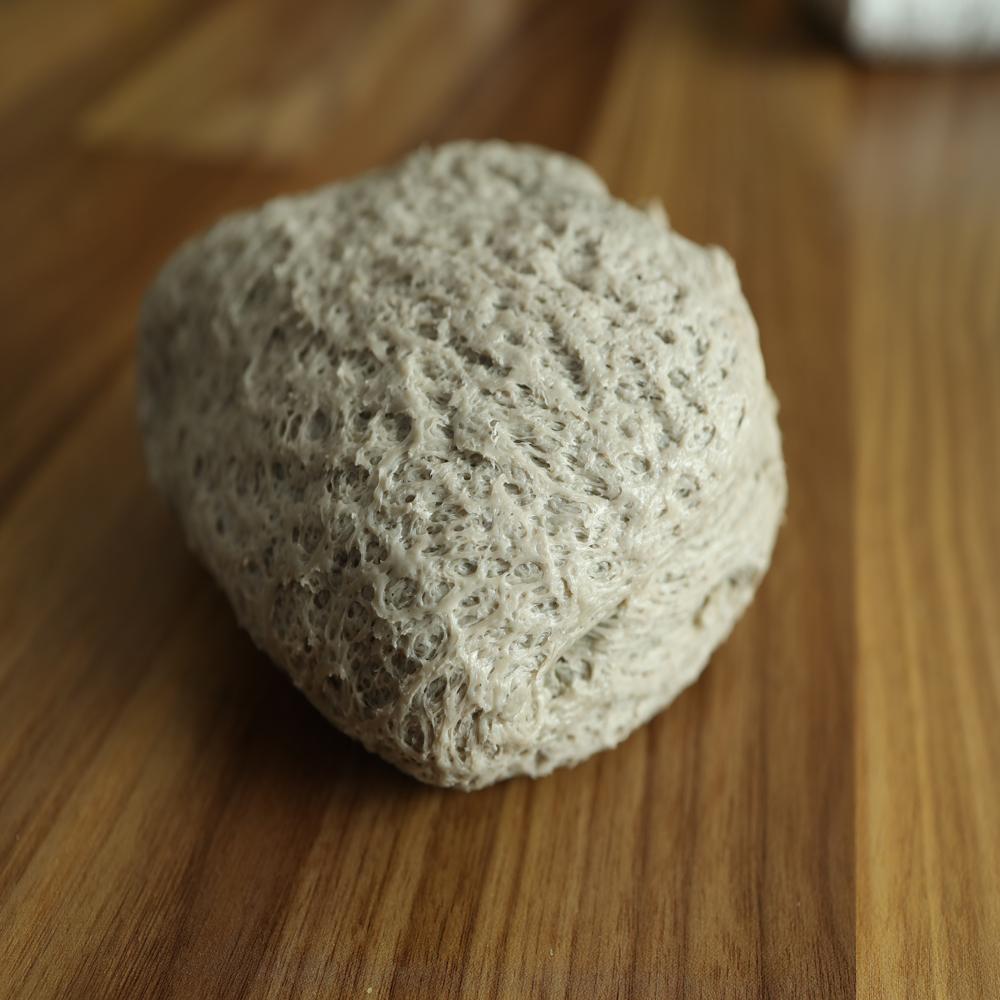
Box Strep Lumps
Price 48.0 INR / Kilograms
Minimum Order Quantity : 500 Kilograms
Material : Recycled Plastic
Packaging Type : 30 KG PP BAG
Color : White
Type : PP
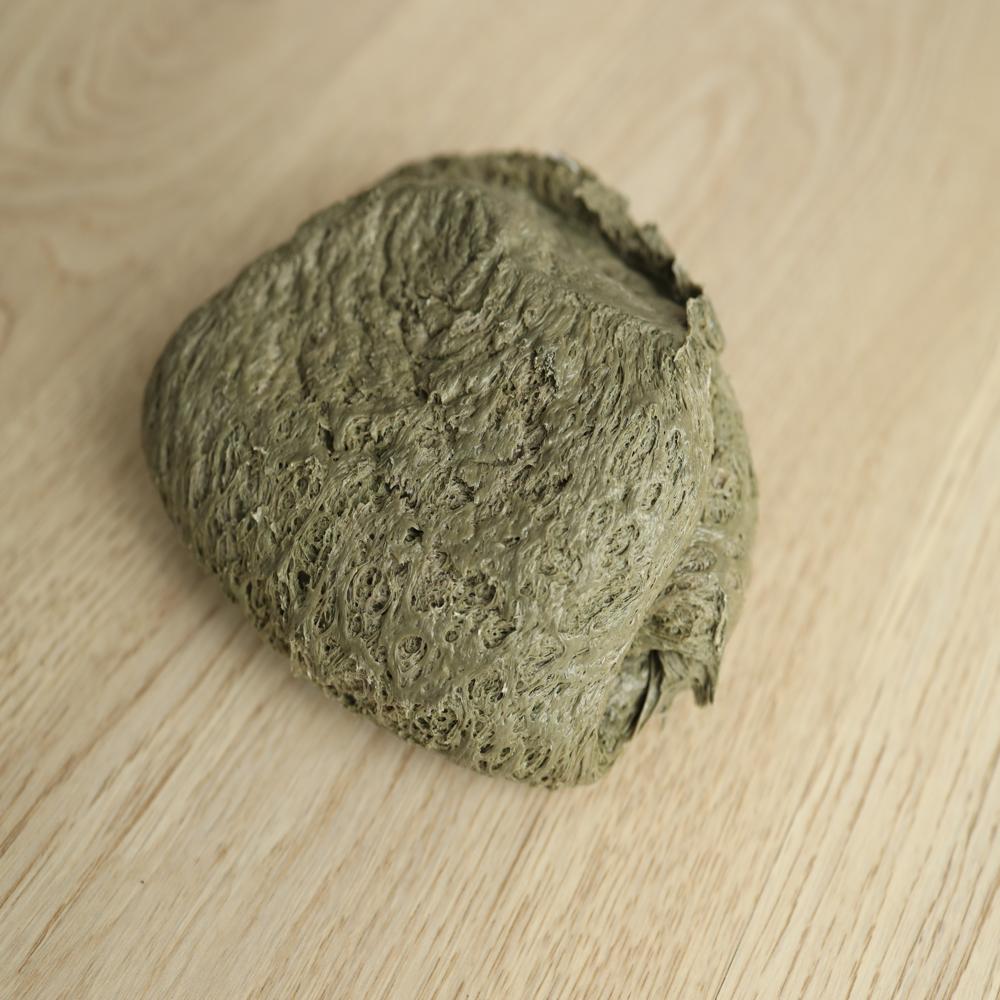
PP Lumps
Price 35.0 INR / Kilograms
Minimum Order Quantity : 500 Kilograms
Material : Recycled Plastic
Packaging Type : 30 KG PP BAG
Color : Dull White
Type : PP
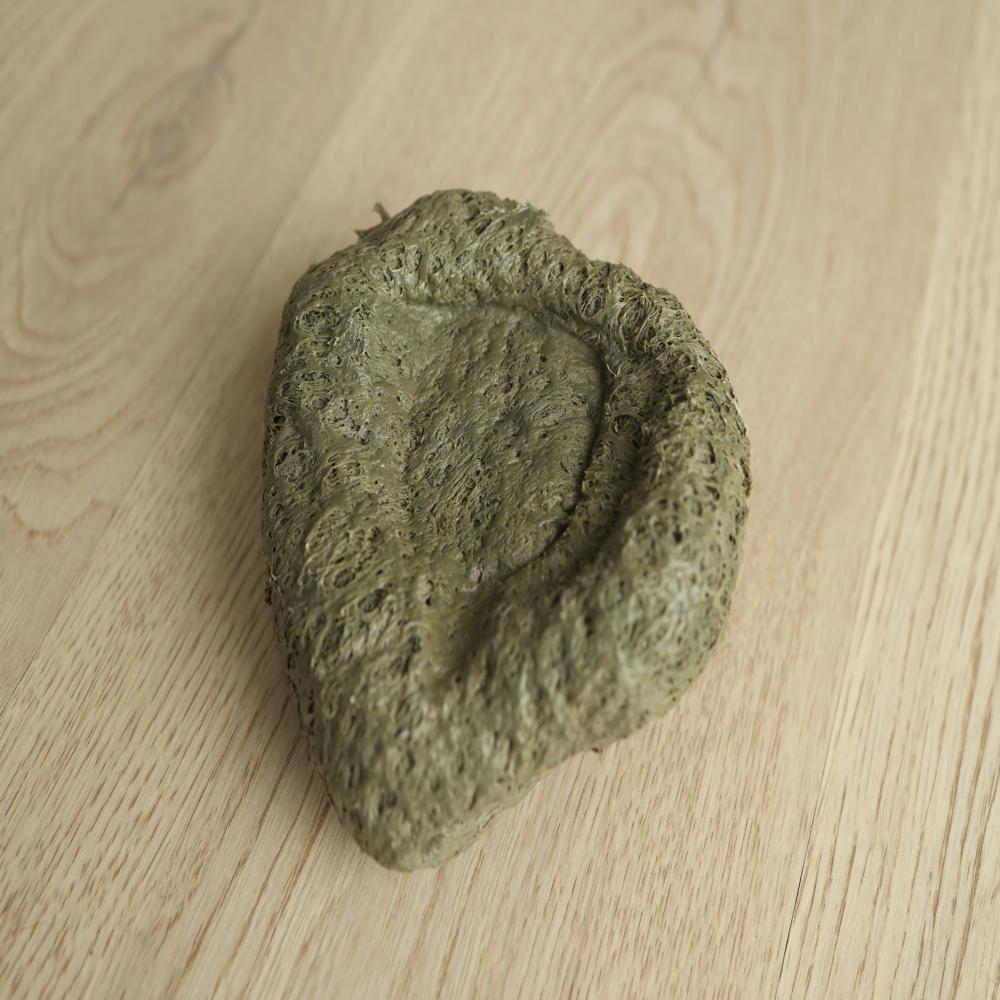
Recycled Plastic Lumps
Price 30.0 INR / Kilograms
Minimum Order Quantity : 500 Kilograms
Material : Recycled Plastic
Packaging Type : 30 KG PP BAG
Color : Dull White
Type : PP

 Send Inquiry
Our Products

Junagadh Road, Opposite Dhorivav, Dhoraji, Dist. Rajkot,Dhoraji - 360410, Gujarat, India

Mr Jay Nariya
(Proprietor)
Mobile :08045476271
 Send Inquiry
 Send SMS
Developed and Managed by Infocom Network Private Limited.
